
Digimon Trading Cards: The Complete Collector’s Guide (History, Value & Where to Buy)
 Cards Mania Editorial Team
·
·
15 min read
Cards Mania Editorial Team
·
·
15 min read
There is a card game out there with some of the most gorgeous artwork in the hobby, a passionate global community, real affordable entry points, and chase cards worth hundreds of dollars. It has been running competitively since 2020, it keeps selling out at retail, and right now it is quietly building the kind of collector momentum that Pokémon had a decade ago.
That game is Digimon Card Game, and if you have been sleeping on it, this guide is your alarm clock.
We are going to cover the full story: where Digimon came from, why it lost the pop culture war to Pokémon (and the fan theories around that), the absolutely wild fact that 9/11 is a confirmed event in the Digimon universe, and everything you need to know as a collector: the best sets, the most valuable cards, and exactly where to buy and sell.
A Brief History of Digimon: Digital Monsters, Real Impact
Most people assume Digimon was a knockoff of Pokémon. That narrative has followed the franchise for almost 30 years and it is, frankly, a little unfair to the actual history.
Pokémon launched in Japan in February 1996 as a pair of Game Boy RPGs. The anime followed in 1997, and by 1999 it had colonized every schoolyard in the western world. That timeline is accurate and Pokémon absolutely got there first.
But Digimon was not dreamed up as a response to Pikachu. Bandai began developing Digital Monsters internally as early as 1995, and the first Digimon virtual pet device hit Japanese shelves in June 1997. It was not a video game but a new entry in the virtual pet category alongside the Tamagotchi line, designed specifically for boys who wanted their virtual pet to fight. The concept came from a completely different creative direction: a digital organism that evolves through battle, not a cute creature you catch and train across a regional map.
By 1999, Digimon Adventure had launched as an anime and the franchise was actively rivaling Pokémon in Japan and across parts of Asia. In the US, both shows aired on Fox Kids within roughly the same time slot, creating the playground wars that an entire generation of kids still remembers.
So why did Pokémon win?
The Real Reasons Digimon Lost the Pop Culture War
This is where the fan theories get fun. The official story is simple enough: Pokémon had a stronger gaming foundation (the Game Boy titles were brilliant), more consistent branding, and a single protagonist audiences could follow across years of content. Digimon, by contrast, kept reinventing itself. Digimon Tamers changed the premise entirely. Digimon Frontier turned the kids into the Digimon themselves. Every season effectively asked new audiences to start over from scratch, which is exciting for narrative ambition but brutal for brand loyalty.
Pokémon also had a massive structural advantage in the West: Nintendo’s distribution muscle. Bandai, while a major toy company, simply could not push Digimon merchandise through US retail with the same saturation that Nintendo managed for Pokémon.
But collectors love a good conspiracy, and Digimon fans have a few worth knowing about.
One persistent theory is that Fox Kids intentionally scheduled Digimon in weaker time slots as part of a broader content deal that favored Pokémon and its production partners. Another fan-favorite claim: that early western merchandise deals for Digimon were deliberately undercut by competing toy companies who had a stake in Pokémon’s success. Neither of these has been officially confirmed, but neither has been definitively disproven either, and the Digimon community enjoys debating them with the kind of energy that card collectors bring to grading conspiracies.
What is not a theory: the Digimon anime was, by most serious anime criticism, the more ambitious and emotionally sophisticated show. Characters aged, faced real grief, and dealt with consequences. Pokémon, for all its charm, kept Ash Ketchum perpetually ten years old for 25 seasons. Different philosophies, different audiences. But Digimon’s willingness to grow up with its viewers is a big part of why its adult fanbase is so intensely loyal today.
The Wildest Digimon Lore Fact: 9/11 Is Canon
Before we get into the cards, we have to stop here, because this is one of the most surprising facts in all of anime lore and most collectors have no idea about it.
The September 11 attacks are confirmed, canon events in the Digimon Adventure universe.
This is not a fan theory or a piece of ambiguous dialogue open to interpretation. It is explicitly documented in an official Bandai audio drama called Digimon Adventure Original Story: 2 and a Half Year Break, released in April 2003. The drama bridges the gap between Digimon Adventure and Digimon Adventure 02, following the DigiDestined kids during the years in between the two series.
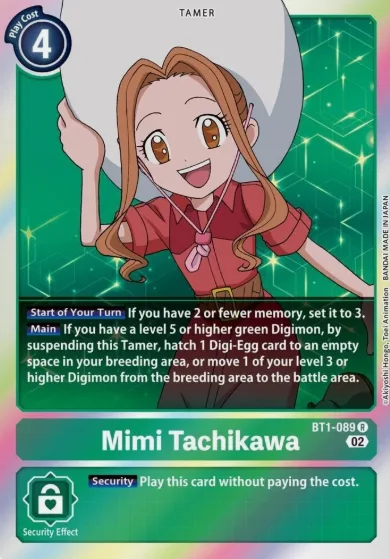
The character Mimi Tachikawa had moved to New York City with her family before the events of Adventure 02. In her chapter of the audio drama, set in September 2001, she describes the September 11 attacks on the World Trade Center directly. She rushes to Ground Zero, where she meets Michael and other American DigiDestined who are helping with rescue efforts. Mimi helps carry the injured and cooks for rescue workers alongside her mother. Her partner Digimon and the others have to eventually leave the area to avoid being discovered, but the DigiDestined stay to help as long as they can.
The drama was only released in Japan (with fan translations available), which is part of why this detail flew under the radar for so many English-speaking fans. But Digimon Adventure’s director Hiroyuki Kakudou has referenced the 9/11 storyline in public blog posts, describing it as a genuine attempt to acknowledge how a character like Mimi, someone who had survived the Digital World, would respond to a real-world tragedy of that scale.
It is one of the most quietly remarkable pieces of storytelling in the franchise. And yes, it absolutely makes Mimi one of the most underrated characters in anime history.
For card collectors, it is also a fun piece of trivia to know about your hobby. The Mimi and Palmon cards in the Digimon Card Game carry more history behind them than you might expect.
The Digimon Card Game: A Modern Masterpiece That Arrived Late
Digimon actually had a trading card game in the late 1990s and early 2000s, but it was a different product with different mechanics and it never gained significant traction outside Japan. The game most collectors are building today is a completely fresh start.
The modern Digimon Card Game, published by Bandai, launched in Japan in April 2020 and reached English-speaking markets in 2021. It was built from scratch with competitive play and collector appeal both in mind, and it shows.
The core gameplay revolves around a Memory Gauge mechanic that keeps games fast and interactive, one of the genuine innovations that separates it from the seesaw pace of other TCGs. You evolve Digimon by stacking cards on top of each other, building a Digivolution chain that carries effects from each card underneath. It rewards careful deck construction and knowledge of the card pool, and the competitive scene is healthy.
But for collectors, the real story is in the chase cards.
Rarity Tiers in the Digimon Card Game
Understanding the Digimon Card Game’s rarity system is essential before you spend anything. Here is how it breaks down:
- Common (C) and Uncommon (U): Bread and butter. Easy to pull, low cost, building blocks of most decks.
- Rare (R) and Super Rare (SR): Strong cards worth chasing. SRs can hold real value, especially for fan-favorite Digimon.
- Secret Rare (SEC): The true chase cards. These are hard pulls with premium foiling and alternate artwork, and they sit at the top of the value stack in most sets.
- Ghost Rare: A specific type of alternate-art chase card introduced in BT-06 Double Diamond, featuring high-contrast foiling with a near-holographic effect. These are some of the most visually striking cards in any TCG right now.
- ACE Cards: A special card type introduced later in the game’s life cycle, often printed in stunning full single-color foils. Textured ACE variants in particular have become significant collector targets.
The Most Valuable Digimon Cards Right Now
Digimon Card Game has a reputation as one of the more affordable TCGs on the market, and for most of the card pool that is true. But the top end of the market tells a different story.
Omnimon Ghost Rare (BT-06)
The ghost rare Omnimon from BT-06 Double Diamond is the card that put Digimon collector value on the map. It was the first ghost rare printed in the game, it features one of the franchise’s most iconic Digimon, and it has maintained a value widely reported above $400 since release. For a card from a modern TCG set that is still in print expansion, that is remarkable staying power.
Tournament and Championship Promos
Bandai runs a strong organized play structure for the Digimon Card Game, and tournament promo cards are some of the most sought-after items in the hobby. The 2025 Regionals Champion Gotsumon card has been reported at roughly $430. Championship gold stamp cards and Evolution Cup winner cards regularly appear in the $200-250 range. These are not available in packs. You earn them by competing, which keeps supply extremely low.
Textured ACE and Alternate Art Cards
Recent sets have introduced textured foiling to alternate art ACE cards, and the collector response has been strong. Gallantmon X Antibody Textured, BeelStarmon X Antibody Textured, and Angewomon ACE Special Rare have all been reported trading in the $390-400 range. Imperialdramon Paladin Mode ACE Textured, with its distinctive black and white color scheme, has been widely noted as one of the most visually impressive cards the game has produced.
Fan-Favorite Digimon as a Value Driver
One thing Digimon Card Game does brilliantly is lean into nostalgia. Gallantmon, Imperialdramon, Omnimon, Angewomon, WereGarurumon, Mastemon: these are characters with 25-plus years of fan attachment, and when Bandai prints a premium alternate art of any of them, collectors pay attention. If you are looking at the game from an investment angle, cards featuring the Adventure and Adventure 02 cast in premium print runs tend to hold value better than cards tied to newer, less-established characters.
Best Digimon Card Game Sets for Collectors and New Players
The Digimon Card Game has a lot of sets to navigate. Here is a practical breakdown of where to start depending on what you are after.
BT-01 to BT-05: The Foundation Era
The early numbered booster sets established the core card pool and introduced the main Adventure cast as Tamer cards. These sets are harder to find at retail and singles from them carry premiums, particularly fan-favorite alternate arts. If you want to collect the early Adventure cast, singles from these sets are generally the smarter buy versus cracking boxes.
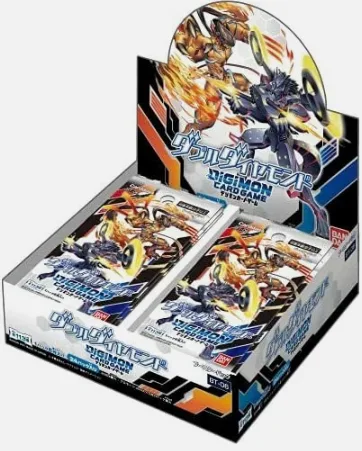
BT-06 Double Diamond: The Ghost Rare Set
This is the set that changed the collector conversation around Digimon Card Game. Double Diamond introduced the ghost rare rarity and printed the Omnimon that became the game’s first true iconic chase card. Boxes still show up on the secondary market and the set has become a collector landmark.
EX Series: Extra Boosters for Theme and Nostalgia
The EX booster series focuses on specific Digimon anime series or themes rather than the main competitive card pool. EX-01 Classic Collection focuses on the original Adventure cast. EX-02 Digital Hazard covers the darker Digimon. EX-04 Alternative Being brought in Digimon from Cyber Sleuth, which has its own dedicated fanbase. These sets are outstanding for collectors who want thematic cohesion rather than just competitive staples.
Recent Sets (BT-17 Onward): ACE and Textured Era
The introduction of ACE cards and textured foiling has driven a new wave of collector interest. BT-17 Secret Crisis in particular delivered some of the most impressive-looking cards the game has produced. If you are buying to hold, the textured ACE cards from recent sets are the ones to watch.
Starter Decks: The Right Entry Point for New Collectors
One of the most collector-friendly things Bandai has done with Digimon Card Game is produce strong, well-designed starter decks that include exclusive alternate art cards not available in booster packs. Several starter deck exclusives have held real secondary market value, which makes them worth picking up even if you never play a competitive game.
Starter decks typically retail around $10-15, which makes them one of the best low-risk ways to get Digimon cards in hand and see whether the game clicks for you.
Looking for Digimon starter decks? eBay is consistently the best place to compare prices on both sealed and opened products:
Browse Digimon Starter Decks on eBay
Where to Buy Digimon Cards
eBay: Best for Singles, Sealed Boxes and Rarities
For ghost rares, tournament promos, graded cards, or sealed booster boxes from older sets, eBay is your primary hunting ground. The sold listings are invaluable for price checking before you commit to anything. Search for completed/sold listings on any card you are considering to get a real-world price rather than an asking price.
TCGPlayer: Best for Individual Singles at Competitive Prices
If you are building a specific deck or hunting individual cards from older sets, TCGPlayer has a large seller base for Digimon and competitive pricing across the card pool.
Browse Digimon singles on TCGPlayer
Amazon: Best for Sealed Product at Retail Prices
For current booster boxes and starter decks that are still in print, Amazon can be a solid option, particularly if you have Prime shipping. Just check that you are buying from a reputable seller on current sets.
- Digimon Card Game Booster Boxes on Amazon
- Digimon Card Game Starter Decks on Amazon
- Card Sleeves for Digimon Cards on Amazon
Tips for Collecting Digimon Cards on a Budget
The Digimon Card Game has a reputation for being affordable compared to Pokémon, and that reputation is mostly earned. Here is how to make the most of it.
- Focus on EX sets for nostalgia collecting. EX series sets tend to have more thematic focus and the singles stay more accessible than the main set chase cards. You can build a beautiful Adventure-era collection without hunting ghost rares.
- Buy singles, not boxes, for specific cards. Unless you enjoy the cracking experience, pulling specific high-value cards from boxes is not efficient. Buy the single you want on eBay or TCGPlayer and put the rest of your budget into more cards.
- Watch for reprints. Bandai has printed revision packs and special sets that bring older card art back into circulation at lower prices. If you can wait, reprints are your friend.
- Starter decks are underrated. Some starter deck exclusives carry legitimate secondary value. Always check before assuming a sealed starter is just a beginner product.
- Grade only your best pulls. PSA and BGS grading for Digimon cards is still a relatively young market, but top-tier ghost rares and tournament promos in PSA 10 are beginning to command real premiums. Do not grade everything. Grade the cards worth grading.
Is Digimon Card Game Worth Getting Into in 2026?
If you are already a Pokémon TCG or One Piece collector looking for a second game to follow, Digimon Card Game makes a compelling case. The entry cost is lower, the artwork is outstanding, the competitive community is active without being overwhelming, and the nostalgia factor for anyone who grew up with the anime is real.
From a speculative collector angle, the Digimon Card Game is at an interesting stage. It is past the early-set scarcity phase where prices spiked out of nowhere, but it has not reached the kind of mainstream retail saturation that compresses secondary market values on everything. The window between “niche but growing” and “mainstream and expensive” is historically when the best collector opportunities exist in any TCG. Pokémon collectors who got serious about One Piece TCG in 2022 will understand exactly what that feels like.
The franchise also has structural tailwinds. Digimon Adventure’s 25th anniversary has brought renewed attention and premium product releases. The card game keeps releasing new sets at a consistent pace. And the core of the community, the people who grew up with Tai and Agumon and Mimi and Palmon, is a passionate, knowledgeable, and surprisingly un-toxic corner of the hobby.
That is rare. Enjoy it.
Final Thoughts
Digimon lost the pop culture war in the 90s for a bunch of interconnected reasons: gaming infrastructure, brand consistency, western distribution, and the sheer gravity of Pokémon’s head start. None of those reasons have anything to do with quality, and the collectors who have discovered the modern card game mostly figure that out pretty quickly.
The history is rich, the lore goes places you would not expect (yes, including Ground Zero), the cards look incredible, and the community is welcoming to newcomers. For anyone who has ever felt the collector itch and wanted something a little different from the mainstream pile, Digimon Card Game might be exactly what you are looking for.
Start with a starter deck. Pick up a few singles from EX-01 Classic Collection if the Adventure nostalgia hits you. And if you pull a ghost rare, please come tell us about it.
Digimon Card Game FAQ
Are Digimon cards worth collecting?
Yes, for several reasons. The artwork is some of the best in any modern TCG, entry costs are lower than Pokémon or Magic: The Gathering, and the competitive scene is healthy enough to keep singles liquid on the secondary market. Chase cards featuring iconic Digimon like Omnimon and Gallantmon have also shown strong value retention. If you grew up with the anime, the nostalgia factor makes it even more compelling.
What is the most valuable Digimon card right now?
Tournament and championship promo cards consistently sit at the top of the market. The 2025 Regionals Champion Gotsumon has been reported around $430. Among pullable cards, the ghost rare Omnimon from BT-06 Double Diamond and textured ACE cards like Gallantmon X Antibody and Angewomon ACE have been widely reported in the $390-400 range.
Is the Digimon Card Game still active in 2026?
Very much so. Bandai continues releasing new booster sets and organized play events at a steady pace. The competitive community is active globally, and the English version of the game remains in wide retail distribution. New sets are scheduled through 2026 with no signs of the game slowing down.
How is the Digimon Card Game different from the Pokémon TCG?
The core mechanics are quite different. Digimon uses a Memory Gauge system where both players share a central resource, which creates faster and more interactive games than Pokémon’s turn-based energy structure. Digimon also uses a Digivolution stacking system where cards evolve on top of each other, building chains of inherited effects. Many players who try both games find Digimon more mechanically interesting at the competitive level, while Pokémon has broader casual appeal and deeper retail availability.
Want to keep exploring? Read our full One Piece TCG guide or catch up on Pokemon card history and value.
A weekly card rundown is coming
Market movers, set drops, and what is worth watching. Sign-ups open soon — the guides stay free either way.

Cards Mania Editorial Team
Cards Mania is an independent trading card media project covering sports cards, Pokémon, TCG, vintage cards, grading, collecting, card storage and hobby news. Articles are produced by the Cards Mania Editorial Team.
Related reads
MTG The Hobbit 2026: Complete Collector & Player Guide
Magic: The Gathering | The Hobbit released August 14, 2026. This updated guide covers HOB and HOC legality, products, mechanics, Dwarvish cards…
Read more →
Palworld Card Game Guide: Cards and Rules
Palworld OFFICIAL CARD GAME launched worldwide on July 30, 2026. This updated guide covers Dawn of Palpagos, rules, rarities, errata, events and…
Read more →
What Is a Rookie Card? Meaning, Examples and Collector Value
A rookie card is generally one of an athlete’s first mainstream cards after reaching the top professional level, but licensing, set type…
Read more →